
10 misconceptions you might have about the universe

Hi, there's no mathematics in this post but I want to tell you about 10 misconceptions you might have about the universe:
The sun does not move.
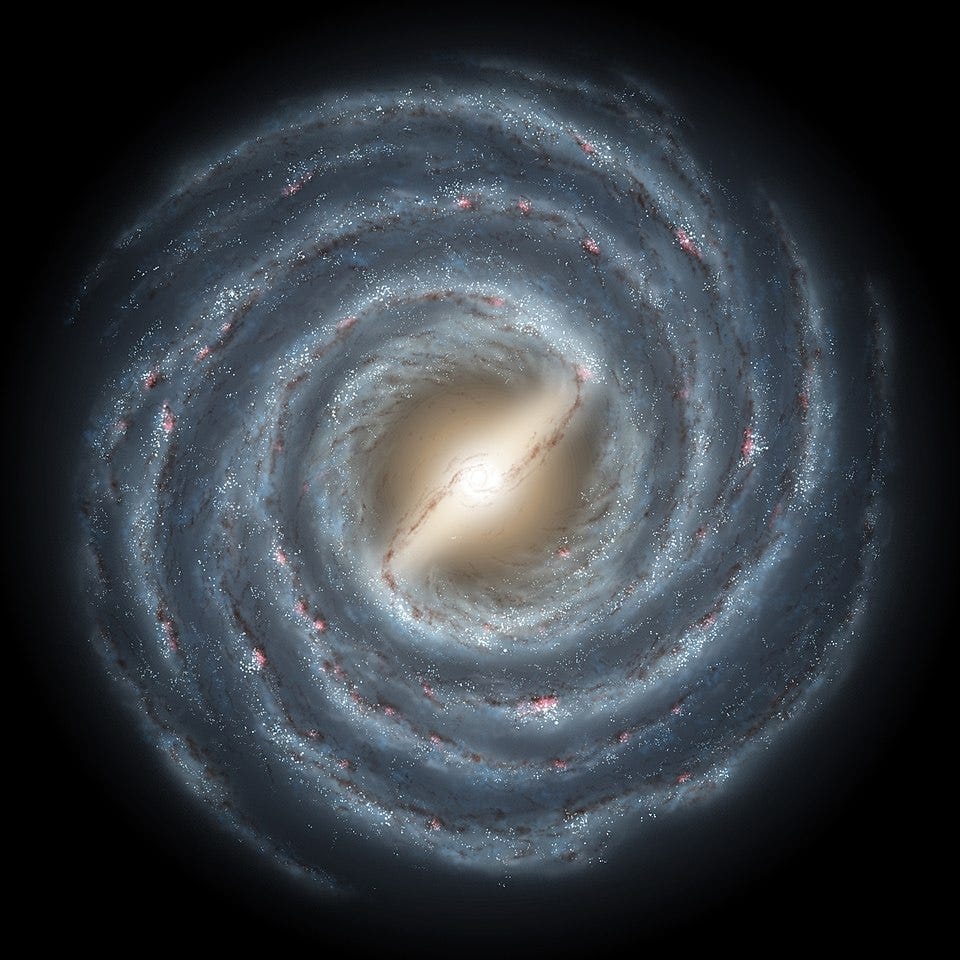
The Sun (along with everything that orbits it) is part of the Milky Way and moves around a suppermassive black hole at the center of the Milky Way, called Sagittarius A*.
The Milky Way itself is also moving through space and is on a collision course with Andromeda (the nearest galaxy to the Milky Way). Please don't panic, because this will only happen in about 4-5 billion years. You'll probably already be dead. Also, if humans were still around by then, the collision would not dramatically affect life on Earth. That's because stars and planets are so far apart that direct collisions are extremely unlikely.
The moon is very close to the Earth.
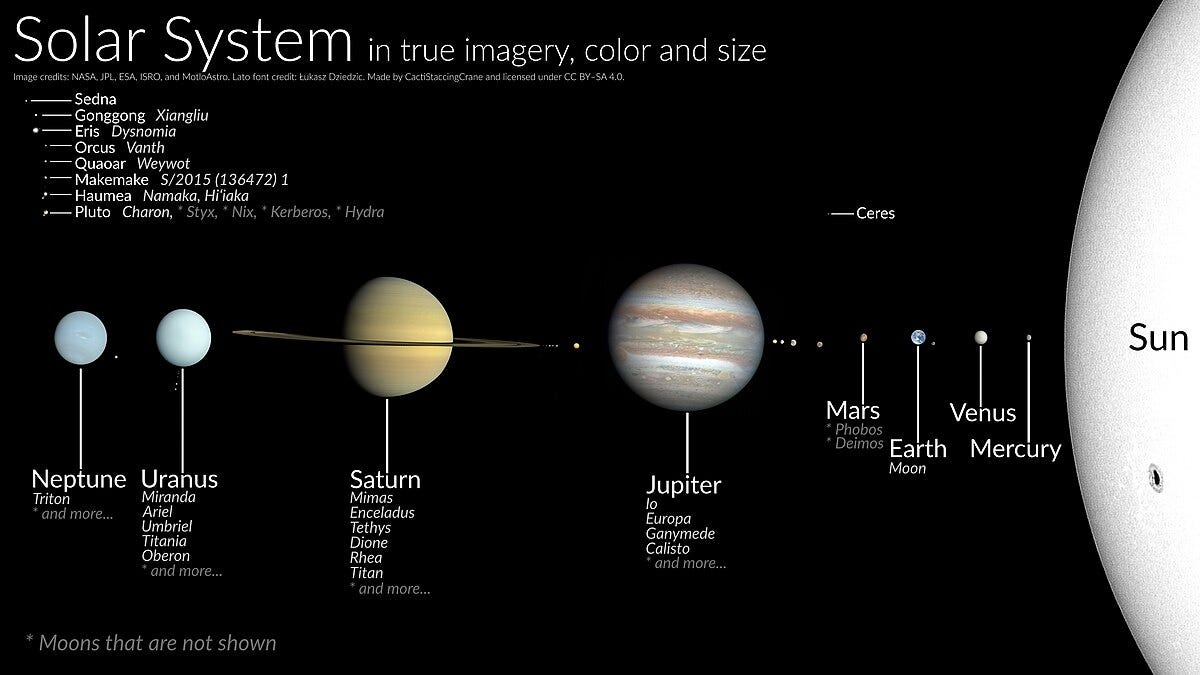
The moon is actually very far away from Earth. The distance is so big that all (discovered) planets of the solar sytem can fit between the Earth and the moon, even Jupiter (more than 11 times Earth's diameter) and Saturn (nearly 10 times Earth's diameter) can fit between.
Light also takes 1 full second to travel from the moon to the earth, which is pretty long, since light is the fastest thing we currently know.
The Sun is burning.
Since there is no oxygen in space, (and oxygen is required to burn something) this means that the Sun is not burning in the chemical sense. Instead, the Sun produces helium from hydrogen through nuclear fusion. This reaction releases enormous amounts of energy, which makes the Sun shine brightly and appear as if it is burning.
When there won't be enough hydrogen anymore (in about 5-6 billion years), the Sun will expand into a red giant and temperatures on earth will raise significantly. The Sun will even become so big that Mercury, Venus and probably also Earth will be completely destroyed by the Sun. But no worries, you will probably already be dead by then 😉.
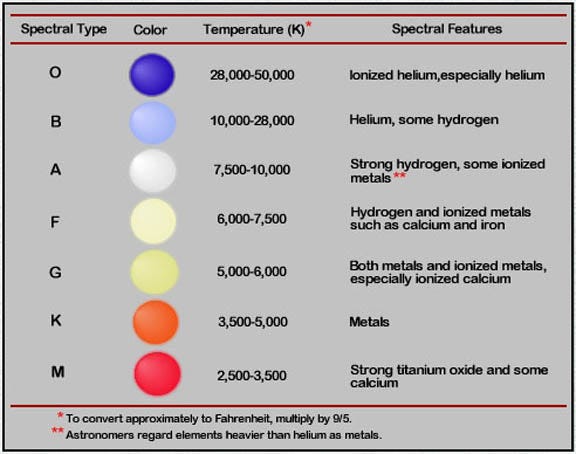
Red stars are the hottest, blue stars are the coolest.
In fact, red stars are much cooler than blue stars. Blue stars produce a lot more energy (which gives them higher temperatures) but this also means they run out of fuel really fast and have much shorter lifespans. Red stars, on the other hand, produce less energy and therefore have lower temperatures. Because they use their fuel more slowly, they can survive much longer than blue stars.
Mercury is the hottest planet of the solar system, since it's the closest to the Sun.
This is not true since Venus is hotter with an average temperature of 733 - 737K (= 460 - 474°C). Mercury only has an average daytime temperature of 703 K (= 430°C), but because it has almost no atmosphere, the average temperature can drop to about 100K (= -173°C) at night.
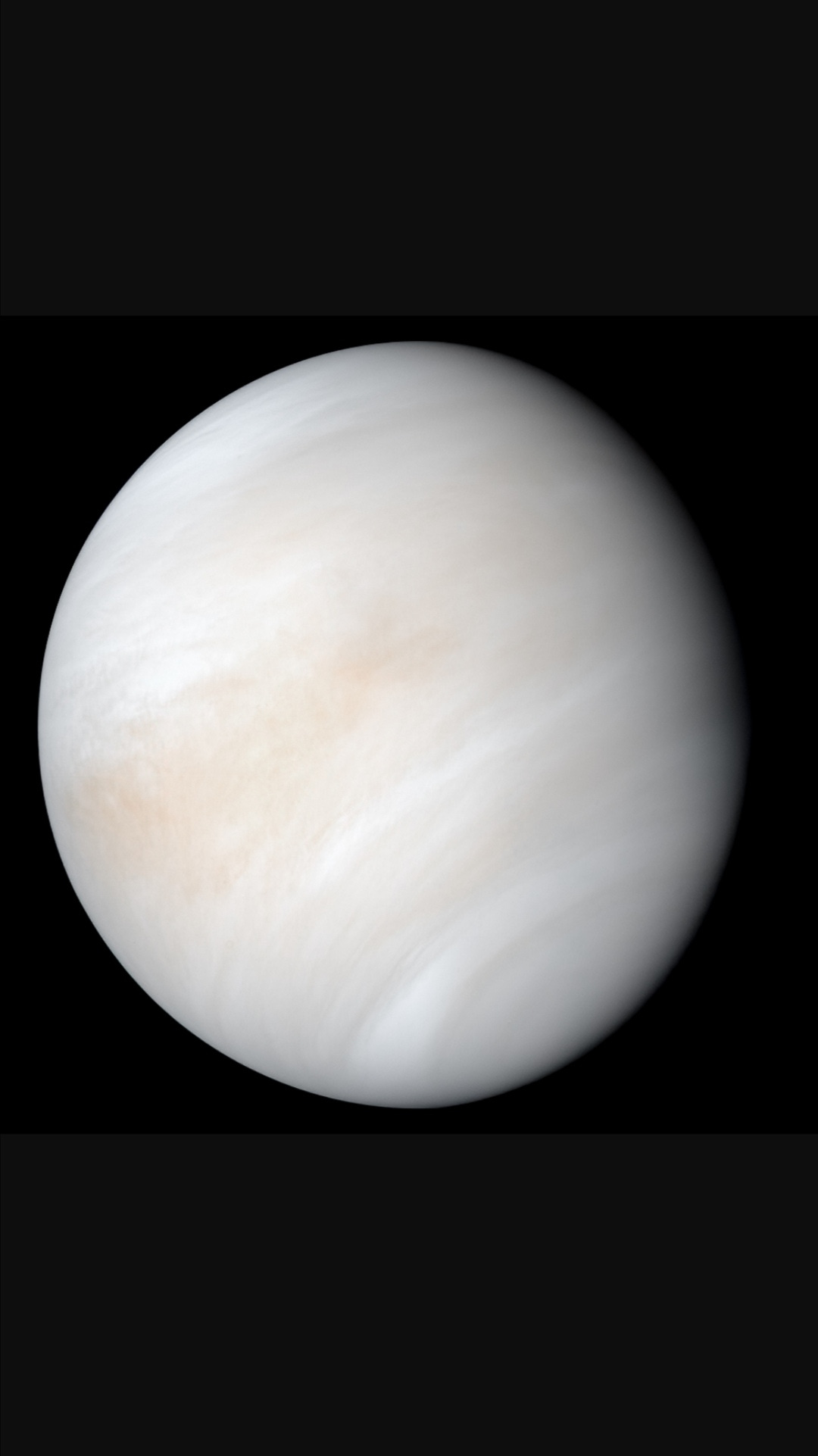
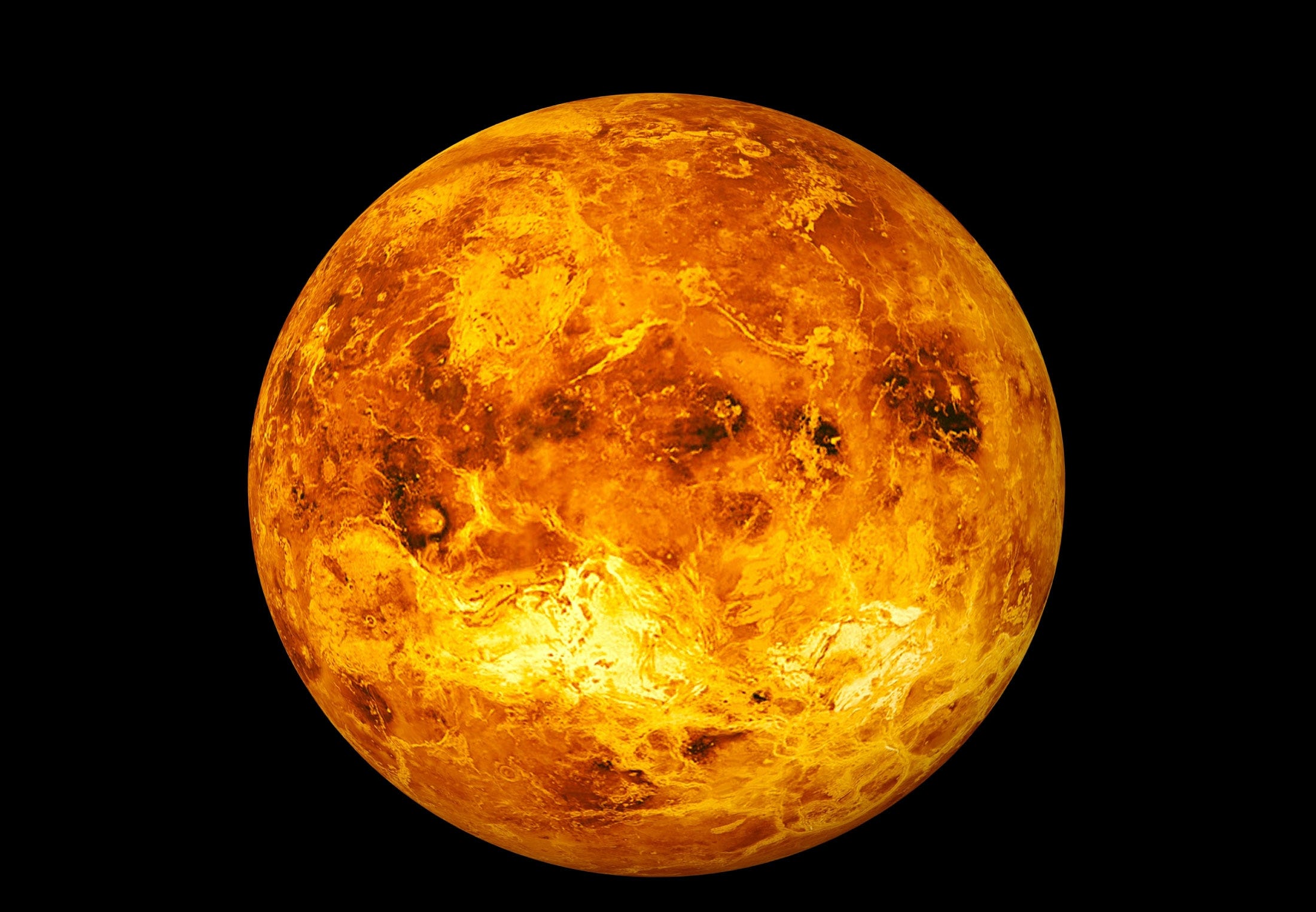
Venus is hotter because it has an extremely thick atmosphere composed largely of greenhouse gases, which trap heat very efficiently. This powerful greenhouse effect keeps Venus’ temperature very high. The dense atmosphere is clearly visible in images of Venus.
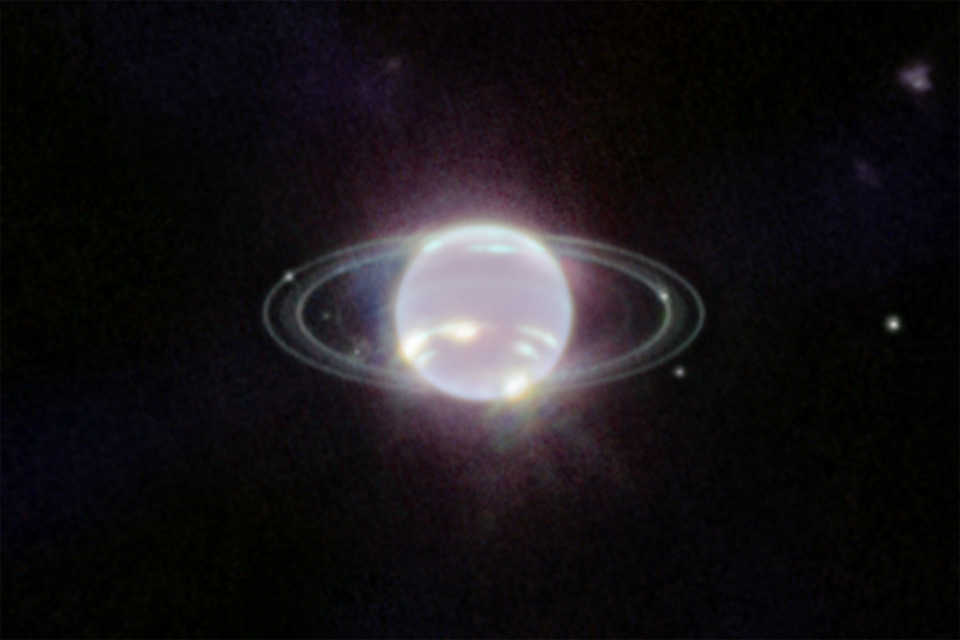
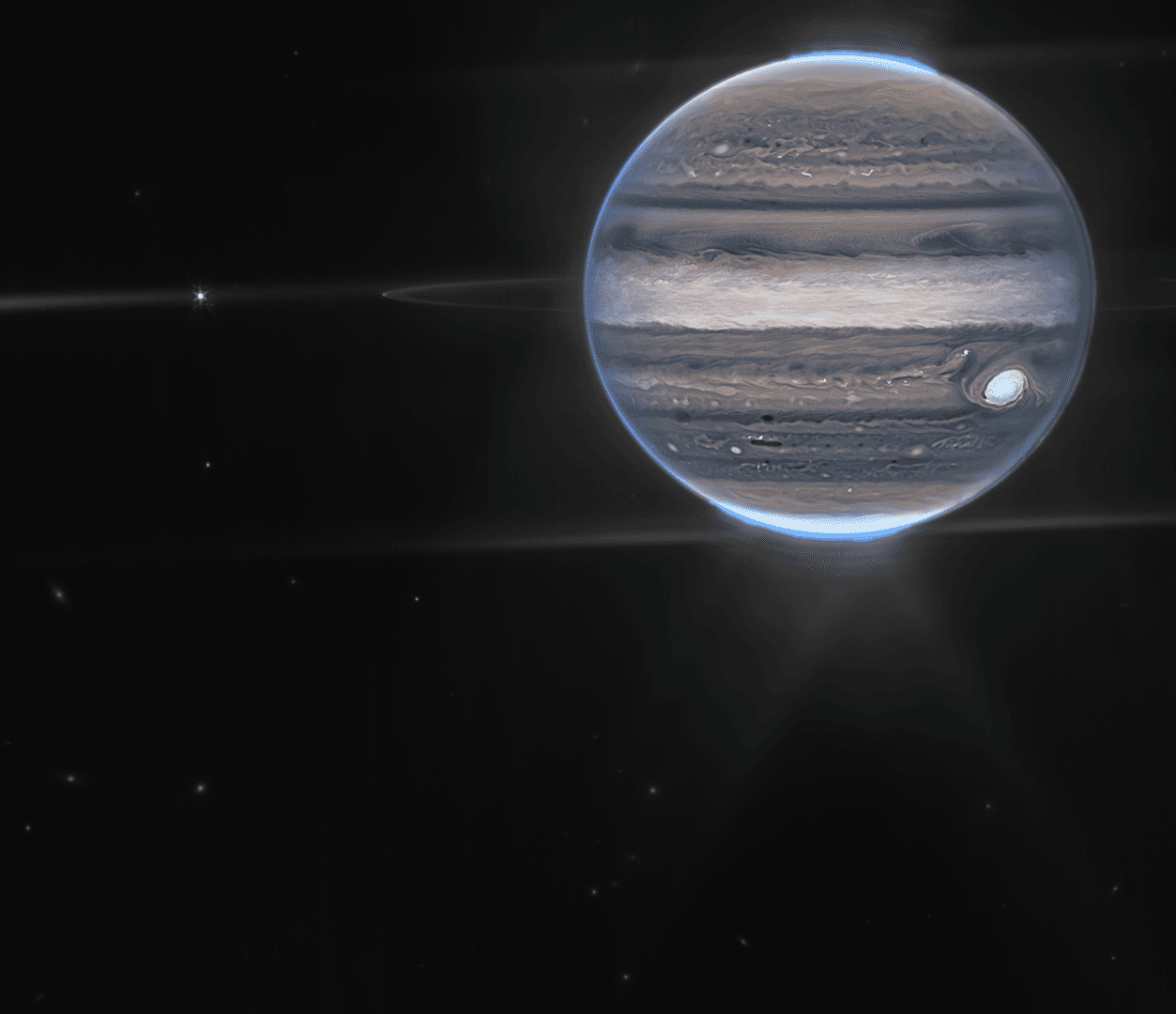
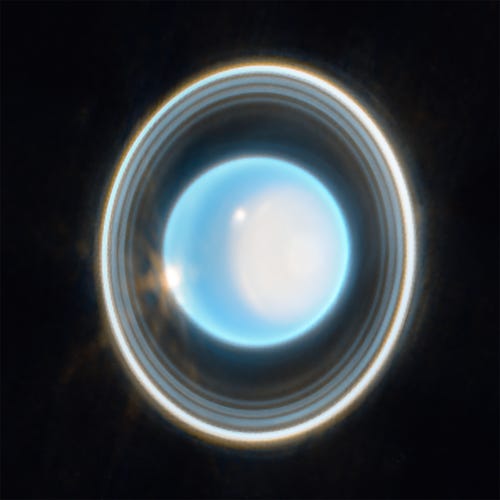
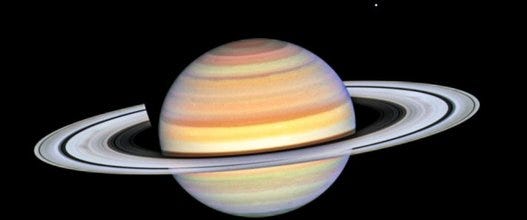
Saturn is the only planet from the solar system with rings.
This is not true because Jupiter, Saturn, Uranus and Neptune also have rings. However, Saturn’s rings are by far the biggest and the brightest, which makes them easily visible through telescopes. The rings around Jupiter, Neptune and Uranus are much smaller, darker and more difficult to observe with telescopes.
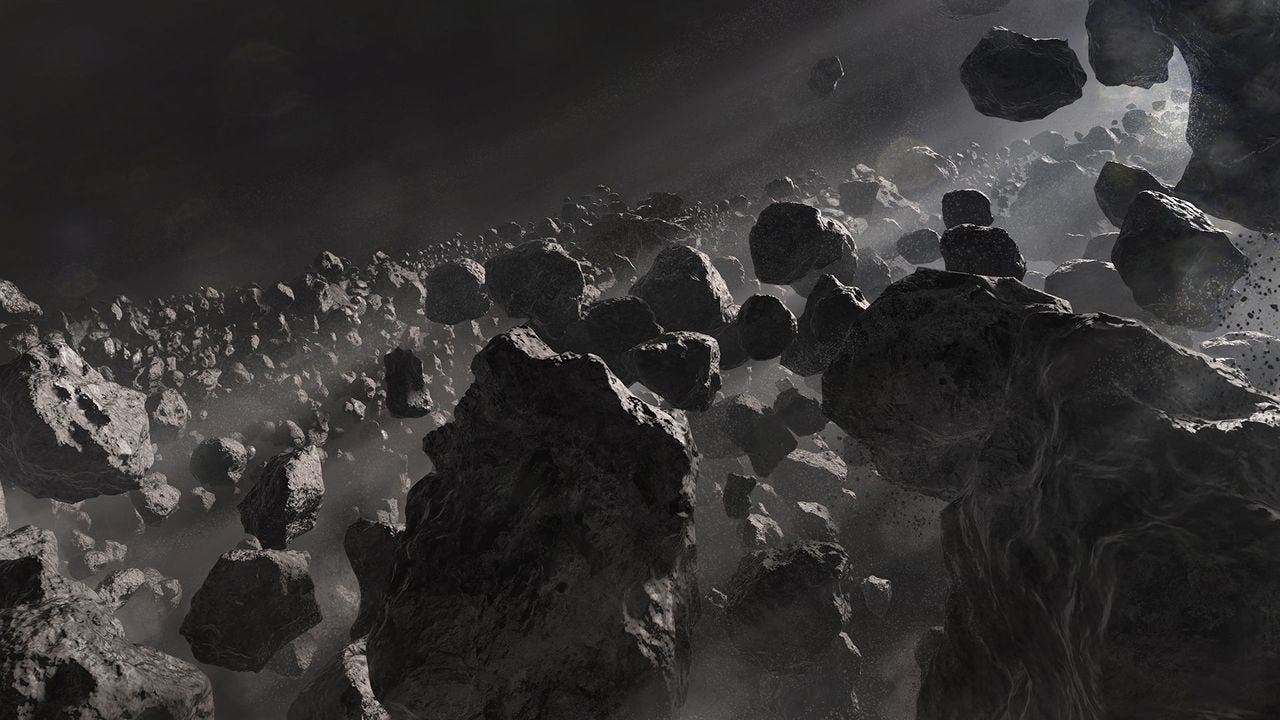
It is difficult for a spacecraft to move through the Asteroid Belt because there are too many asteroids in it.
The Asteroid Belt is located between the planets Jupiter and Mars and contains many asteroids as well as a few dwarf planets, such as Ceres. It exists because the gravitational influence of Jupiter and the Sun keeps these objects in stable orbits.
However, even though there are many objects in the Asteroid Belt, the distances between them are still enormous. As a result, a spacecraft moving through the Asteroid Belt has an extremely small chance (roughly 1 in a billion) of coming near an asteroid larger than 1 km in diameter during its travel. A lot of spacecrafts have already moved through it without any problem.
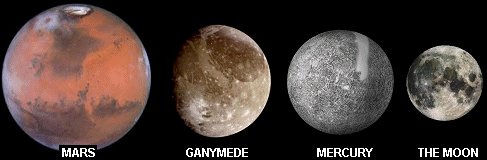
Planets are always bigger than moons.
This is not necessarily true. Ganymede for example, the largest known moon in the solar system, is bigger than Mercury, the smallest planet in the solar system. Ganymede’s diameter is nearly 400 km bigger than Mercury’s diameter. The main difference between a moon and a planet is not their size, but what they orbit. A moon always orbits a planet while a planet orbits in almost all cases a star, multiple stars, a neutron star or a black hole.
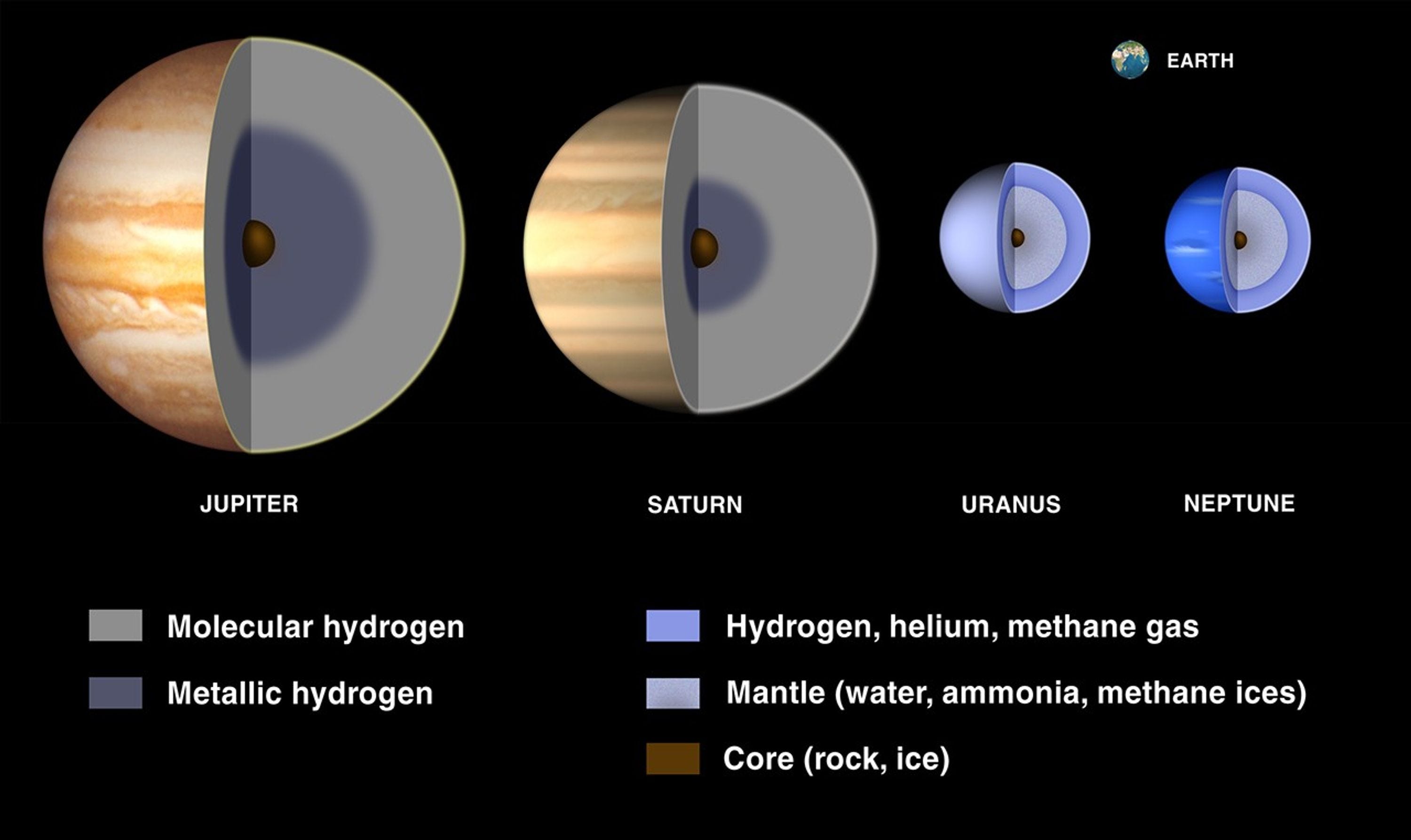
Every planet has a solid surface.
This is not true for Jupiter, Saturn, Uranus and Neptune which all have gaseous surfaces. Jupiter and Saturn have a thick atmospheres composed mainly of hydrogen and helium. As you move toward the center of these planets, the material becomes a mixture liquid and under an enormous pressure. Closer to the center, hydrogen is compressed so much that it becomes metallic. At the very center of these planets, there is a core made of molten rocks, roughly the same size as the entire Earth.
Uranus and Neptune are structured a bit differently. Their atmospheres also consist of hydrogen and helium, but the contain a significant amount of methane gas too, which gives these planets their blue color. Their cores are also smaller and consist more so-called ‘ice’ (frozen NH₃, H₂O and CH₄) compared to the the cores of Jupiter and Saturn.
The sun is yellow.
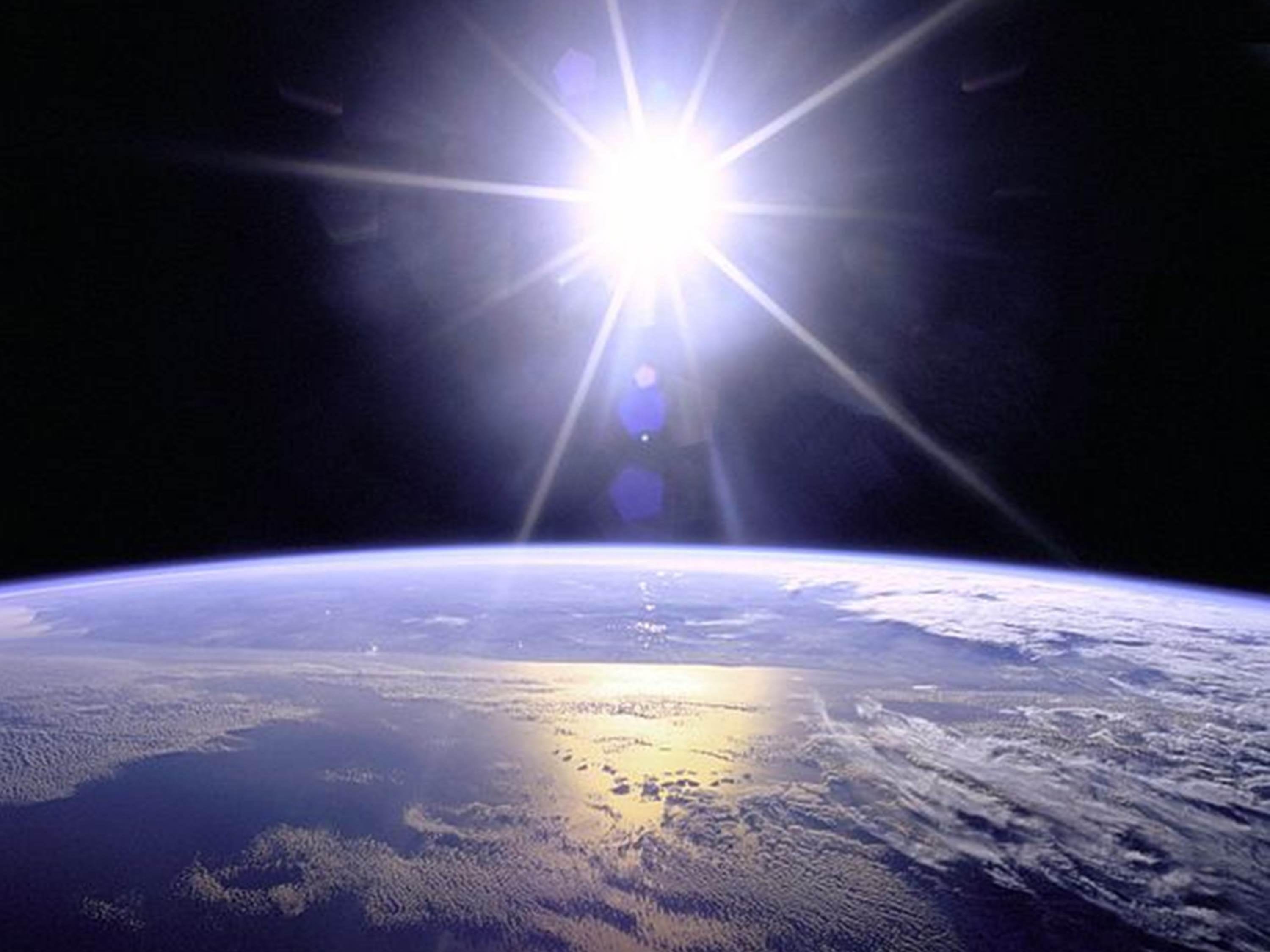
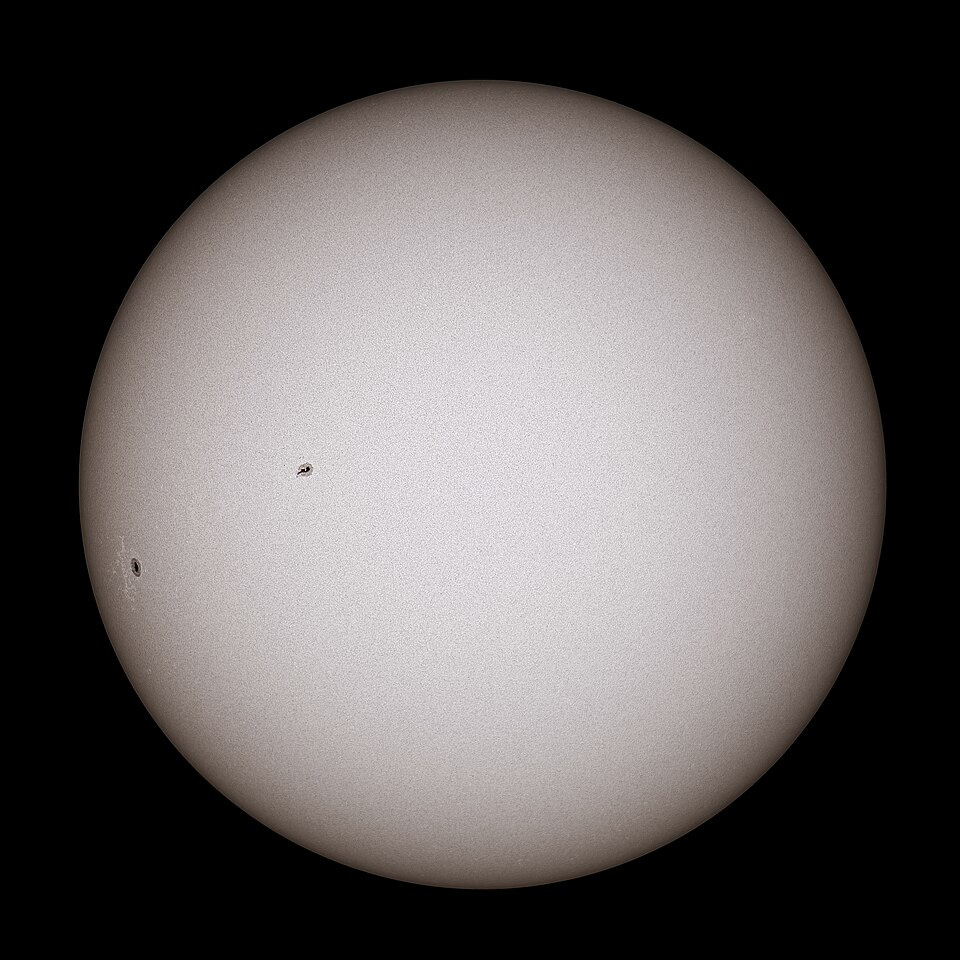
You might think it is, because when you look at the Sun from Earth, it appears yellow. In reality, the Sun emits light of all visible colors (for humans), which together make it white and not yellow.
The reason why it looks yellow from Earth is because the Earth's atmosphere scatters blue light, leaving the remaining sunlight to appear more yellow. During a sunset or sunrise, the sun might even appear orange or red. That's because during a sunrise or sunset the light of the sun travels longer through the atmosphere, which causes the sunlight to scatter even more blue color, causing the Sun to appear orange or in some cases even red.
I wanted to end this post with 1 last fun fact about the universe.
Did you know that a day on Venus lasts longer than a complete year? This means that Venus orbits the Sun faster than it completes a full rotation around its own axis. One possible explanation is that early in its history, Venus may had collided with an other protoplanet, which could have altered its rotation and slowing it down drastically. A similar collision likely happened on Earth with a protoplanet named Theia, which probably created the moon.
Venus completes one full rotation around its own axis (1 day) in 243 Earth days and completes one orbit around the Sun (1 year) in 225 Earth days.
That was everything for this post. I hope you enjoyed it and you now avoid these 10 common misconceptions. I tried to verify all the sientific information I know with multiple reliable sources, but if you still noticed a mistake, you can let me know in the comments. I’ll answer with pleasure. Thanks for reading!
We need more posts like this on Substack. I knew most of this, but it was a pretty nice refresher.
This is an awesome post Math guy. I loved every bit of it. And I did not know any of this.